Source rivet leather horse whip for Racing, Driving, and Training
Compare 30 listings for rivet leather horse whip options from verified Chinese manufacturers. Buyers can evaluate specifications like size, material, and customization capabilities to find suitable equipment for racing, driving, and training applications; compare the available evidence and request quotations based on your requirements.
Key considerations
Products List
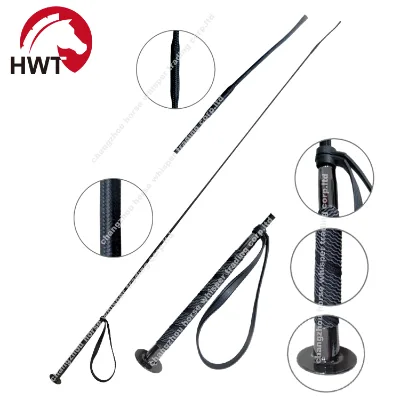
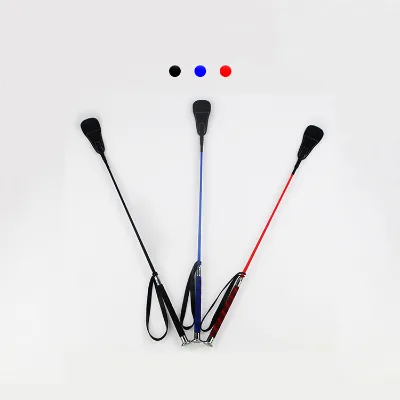
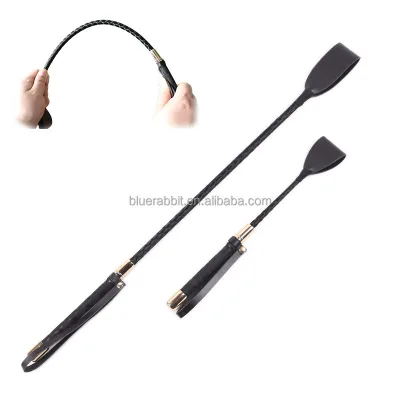
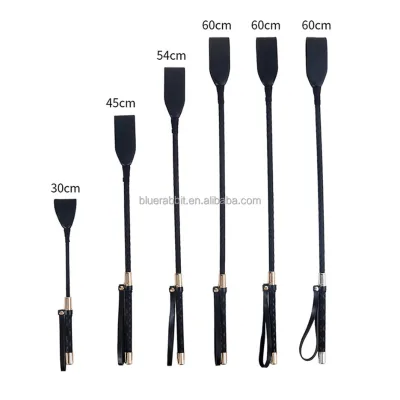
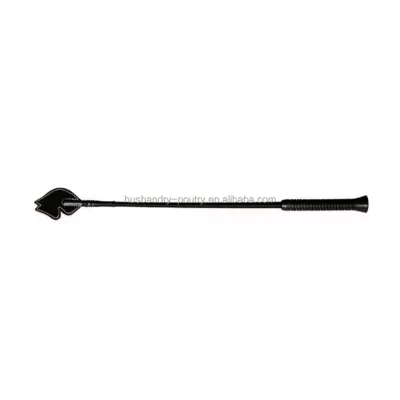
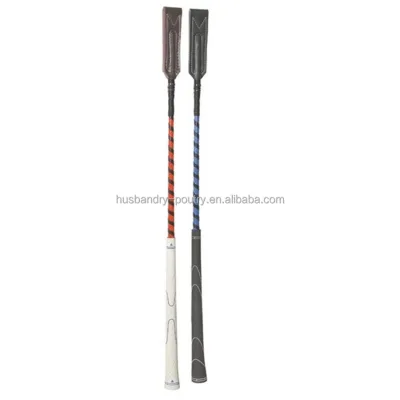
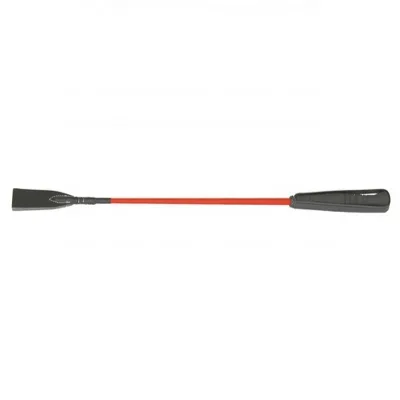
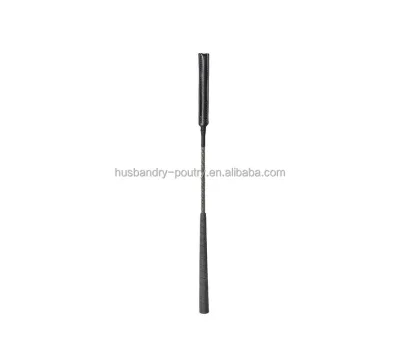
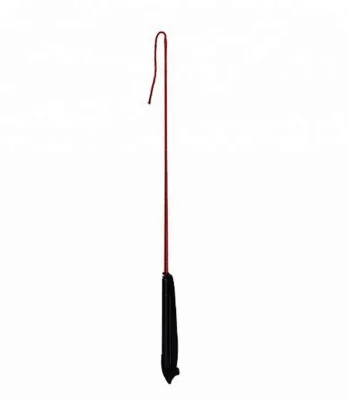
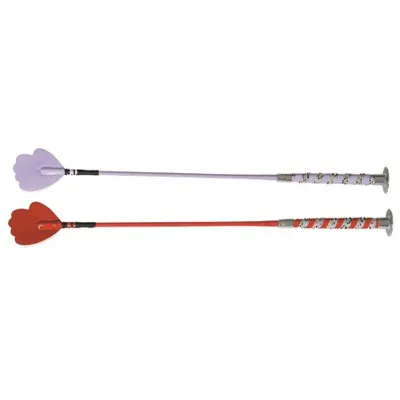
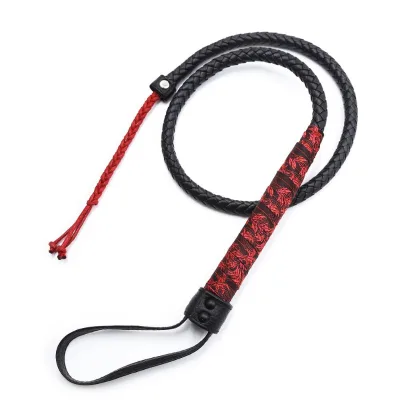
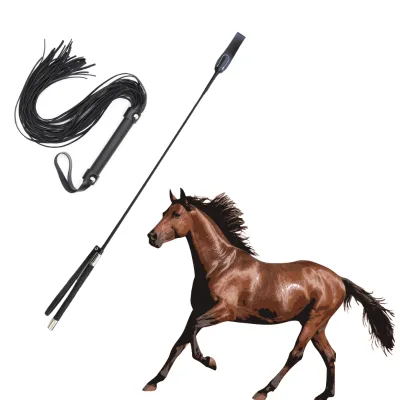
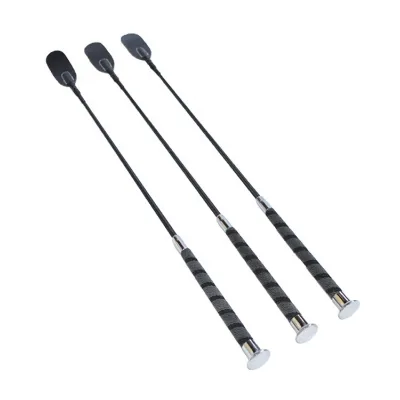
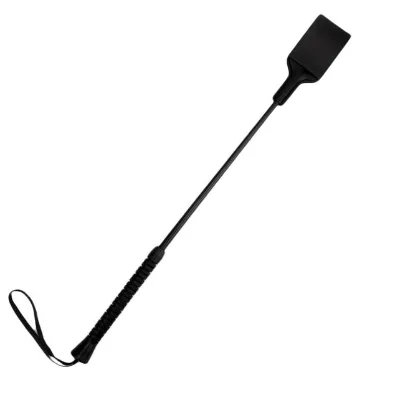
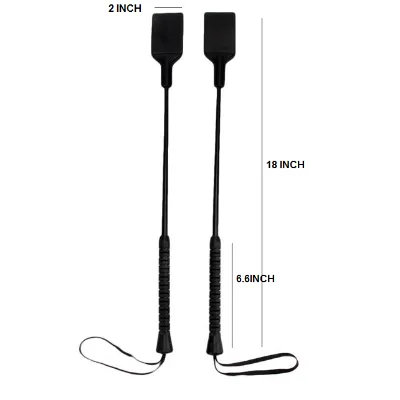
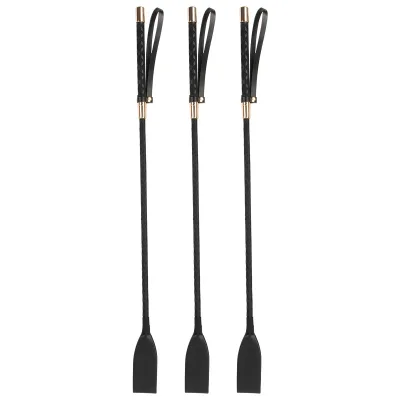
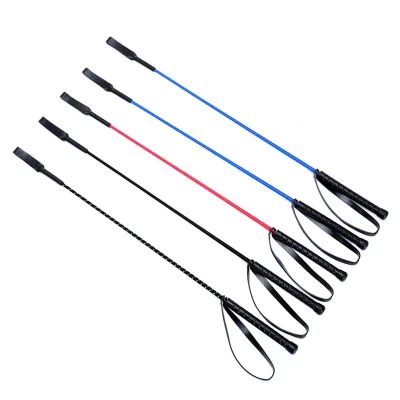
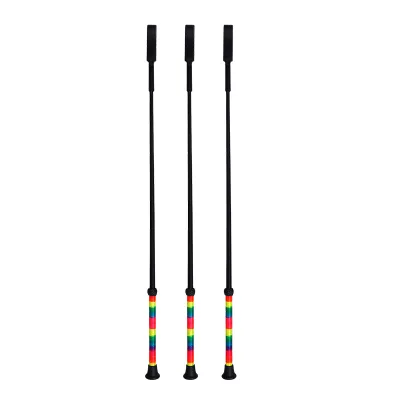
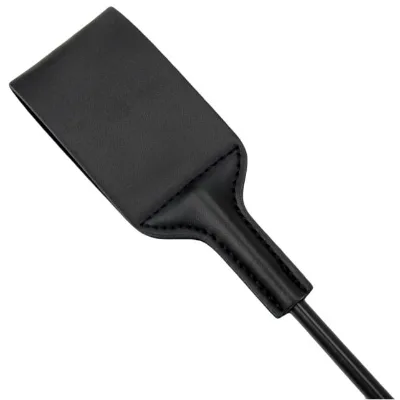
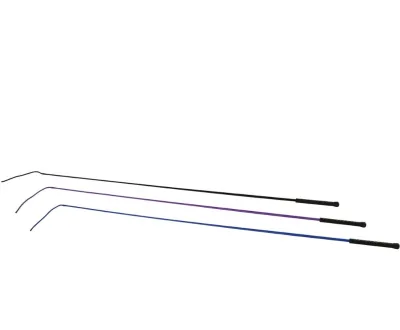
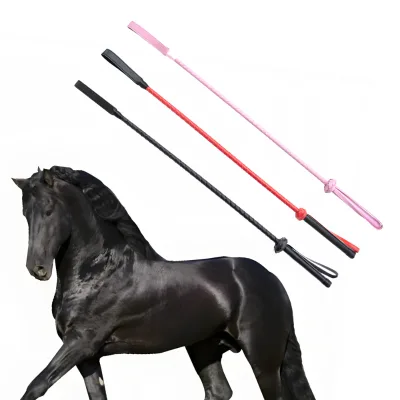
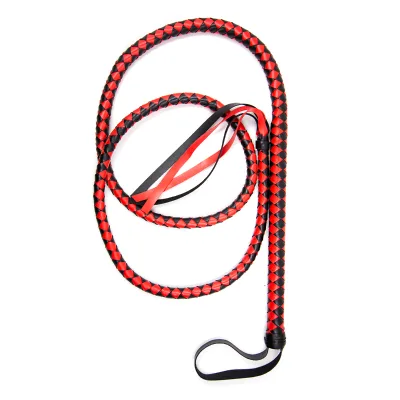


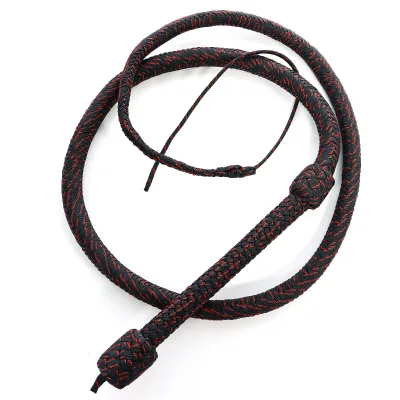
Comprehensive Sourcing Guide
Rivet Leather Horse Whip Sourcing Guide
Sourcing rivet leather horse whips requires a nuanced understanding of both equestrian utility and specialized manufacturing capabilities. Buyers must distinguish between functional riding crops designed for precision cues and decorative or novelty items that may share similar visual characteristics but lack the structural integrity required for animal training. The presence of rivets often indicates a reinforcement point or a stylistic choice, necessitating close inspection of material thickness and stitching quality. Procurement teams should prioritize suppliers who demonstrate expertise in leatherworking, as the durability of the whip depends heavily on the tanning process and the quality of the hide used.
Commercial negotiations for these items often involve complex variables, including customization levels and minimum order quantities that can vary significantly across different product listings. Some suppliers may offer low MOQs for standard designs, while others require higher volumes for custom branding or specific leather treatments. It is essential to verify whether the quoted price includes packaging, shipping, and any necessary tooling for custom rivet placements. Buyers should also consider the total landed cost, factoring in import duties and potential tariffs that may apply to leather goods, which can impact the final profitability of the procurement project.
Product Scope and Observed Listing Signals
The current market landscape for horse whips reveals a diverse range of products, from traditional leather crops to modern synthetic alternatives. Observed listings indicate a wide price range, suggesting significant variation in material quality, brand reputation, and manufacturing origin. Some products are explicitly marketed for equestrian applications such as horse racing or driving, while others may be categorized under broader headings like BDSM accessories, requiring careful vetting to ensure alignment with intended use. Buyers must scrutinize product descriptions to confirm that the item meets specific functional requirements, such as flexibility, weight, and handle comfort.
Key signals in product listings include the model number, single package dimensions, and gross weight, which provide insights into the physical characteristics of the whip. For instance, a single gross weight of 0.5 kg or 1.000 kg can help buyers assess the heft and balance of the whip, which are critical for effective use. Additionally, the presence of features like "durable," "comfortable," or "high-quality leather" should be treated as claims that require verification through samples or third-party testing. Buyers should also note the supply ability, with some suppliers offering up to 10,000 pieces per month, indicating their capacity to handle large orders.
Technical Specifications to Verify
Technical verification begins with confirming the material composition and construction methods of the rivet leather horse whip. Buyers should request detailed specifications regarding the type of leather used, such as PU leather or genuine hide, and the thickness of the material. The presence of rivets should be examined for structural integrity, ensuring they are securely fastened and do not compromise the flexibility of the whip. Additionally, the length of the whip, which can range from 30cm to 120cm or be customized, must align with the intended application, whether for short-handled crops or longer driving whips.
Other critical specifications include the handle design, which should offer a secure grip, and the lash quality, which affects the whip's performance. Buyers should verify the single package size and weight to ensure compatibility with shipping and storage requirements. For example, a single package size of 35X35X20 cm or 125X10X5 cm can impact logistics costs and storage efficiency. It is also important to confirm the color options available, as some suppliers offer customized colors to meet brand identity requirements. These technical details must be clearly documented in the purchase agreement to avoid disputes.
Compliance and Safety Documentation
Compliance and safety are paramount when sourcing horse whips, particularly if they are intended for commercial or professional equestrian use. Buyers must ensure that the products meet relevant safety standards, which may vary depending on the destination market. For instance, if the whip is marketed for BDSM applications, it may need to comply with specific material safety regulations regarding leather treatments and chemical residues. Buyers should request documentation from suppliers confirming that the materials used are free from harmful substances and meet industry safety guidelines.
Additionally, buyers should verify that the supplier provides appropriate safety warnings and usage instructions with the product. This is particularly important for whips that may be used by inexperienced handlers, as improper use can lead to injury. Documentation should also include information on the product's durability and maintenance requirements, helping end-users extend the lifespan of the whip. Buyers should also consider the ethical implications of sourcing leather products, ensuring that the supplier adheres to sustainable and humane practices. This due diligence helps mitigate reputational risks and aligns with corporate social responsibility goals.
Cost Drivers and Commercial Terms
Cost drivers for rivet leather horse whips include material costs, labor, and customization requirements. High-quality leather and intricate rivet work can significantly increase the unit price, while bulk orders may offer economies of scale. Buyers should negotiate clear commercial terms, including payment methods, delivery schedules, and return policies. The observed MOQ range of 1-500 pieces suggests flexibility, but buyers should confirm whether lower MOQs come with premium pricing. Additionally, lead times can vary, with some suppliers offering delivery within 7-30 days, which impacts inventory planning and cash flow.
Shipping and logistics costs are another significant factor, influenced by the weight and dimensions of the packaged product. Buyers should compare quotes from multiple suppliers, considering not only the unit price but also shipping fees, insurance, and potential customs duties. It is also important to clarify who is responsible for import clearance and any associated fees. Buyers should seek suppliers who offer transparent pricing and reliable delivery times to minimize supply chain disruptions. Clear communication regarding commercial terms helps establish a strong foundation for a successful procurement relationship.
Supplier Qualification and Quality Control
Supplier qualification is a critical step in ensuring the quality and reliability of rivet leather horse whips. Buyers should conduct thorough due diligence, including verifying the supplier's business license, production capacity, and quality control processes. Suppliers with a proven track record in leather goods manufacturing are preferable, as they are more likely to deliver consistent quality. Buyers should also request samples to evaluate the craftsmanship, material quality, and overall finish of the product. This hands-on assessment helps identify potential issues before committing to a large order.
Quality control measures should be clearly defined in the purchase agreement, including inspection criteria and acceptance standards. Buyers may consider hiring third-party inspection services to verify product quality before shipment. This is particularly important for large orders or when sourcing from new suppliers. Additionally, buyers should establish a clear communication channel with the supplier to address any quality issues promptly. Regular feedback and performance reviews can help maintain high standards and foster a collaborative relationship. Effective quality control ensures that the final product meets the buyer's expectations and reduces the risk of returns or disputes.
Long-Term Procurement Checks
Long-term procurement success depends on continuous monitoring and evaluation of supplier performance. Buyers should establish key performance indicators (KPIs) to track metrics such as on-time delivery, product quality, and responsiveness to issues. Regular audits and site visits can provide valuable insights into the supplier's operations and help identify areas for improvement. Buyers should also stay informed about market trends and technological advancements in leather goods manufacturing, which may offer opportunities for cost savings or product innovation.
Building a strong relationship with the supplier is essential for long-term collaboration. Buyers should engage in open and transparent communication, sharing feedback and expectations clearly. This helps align goals and fosters trust, leading to better service and support. Additionally, buyers should consider diversifying their supplier base to mitigate risks associated with single-source dependency. Regularly reviewing and updating procurement strategies ensures that the buyer remains competitive and responsive to changing market conditions. Long-term checks help maintain a resilient and efficient supply chain, supporting sustainable business growth.
FAQs
What is the minimum order quantity for rivet leather horse whips?
The minimum order quantity varies by supplier, with some requiring 100 pieces per color while others accept orders as low as one piece. Buyers should verify specific MOQs based on the model number and customization needs before placing an order.
How long does delivery take for these horse whips?
Delivery times typically range from 15 to 30 days for standard production runs. Some suppliers may offer faster lead times of seven days for specific items, but buyers must confirm the exact schedule based on their chosen manufacturer and order volume.
Can I customize the color and size of the whip?
Yes, customization is widely available for both color and size. Buyers can request specific dimensions like 120cm or 66cm, and choose from black or other customized colors depending on the supplier's capabilities and the specific product model selected.
Where are these leather horse whips manufactured?
These products are primarily manufactured in China, with specific origins noted in Jiangsu and Guangdong provinces. Buyers should check the place of origin for each supplier to ensure it aligns with their logistical preferences or sourcing requirements.
What materials are used for the horse riding crops?
The crops are made from high-quality leather or PU leather, designed for durability and comfort. Some models feature hardware like belt buckles, and the single gross weight varies between 0.15 kg and 1.000 kg depending on the specific design and size.
Do suppliers provide samples before bulk production?
Many suppliers offer sample services to verify product quality before committing to large orders. Sample times generally range from 3 to 5 working days, allowing buyers to evaluate the craftsmanship and specifications of the leather whips firsthand.
What is the supply capacity of these manufacturers?
Manufacturers typically have a supply ability of 10,000 pieces per month, ensuring they can handle significant bulk orders. This capacity supports consistent production for various models, though actual output may depend on current order volumes and customization complexity.